
What Causes Hot Upstairs and Cold Downstairs Temperatures
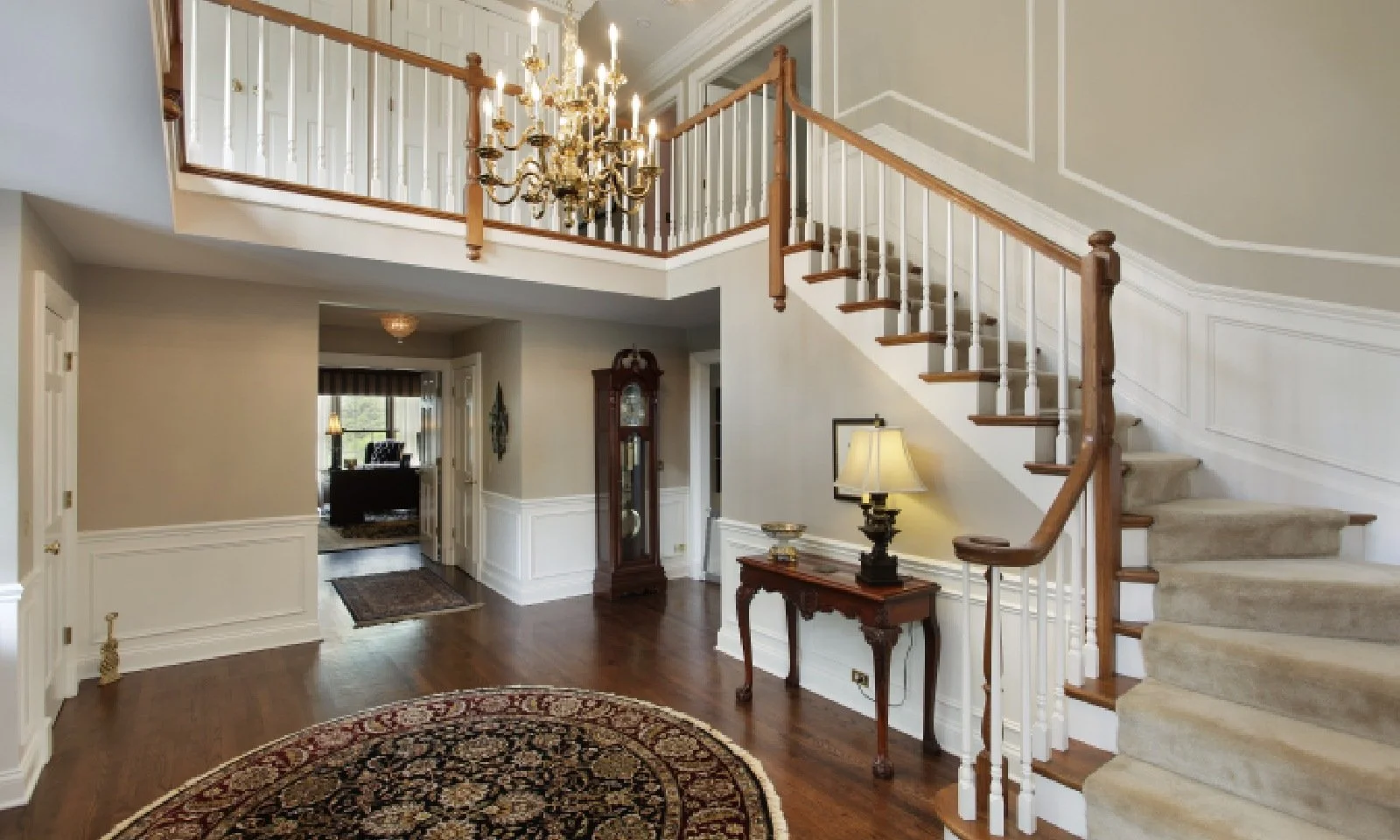
Hot air naturally rises to upper levels while cold air sinks to the ground floor.
Blocked vents, restricted airflow, or poorly configured ducts struggle to push conditioned air upward.
Intense sunshine on your roof transfers directly into top-floor rooms through weak insulation.
Maintaining a comfortable home can be difficult when different floors feel like different seasons. If you find yourself constantly adjusting the thermostat because your second story feels like a sauna while your main level remains freezing, you are experiencing a very common issue.
Many homeowners in Butte, Montana, face this challenge. We understand how frustrating uneven temperatures can be. To help you resolve this issue, Lockmer Sheet Metal is ready to provide reliable heating and cooling solutions.
Why is My Upstairs So Hot? Common Causes of Temperature Imbalance
Several factors contribute to this frustrating temperature difference.
First, basic physics plays a major role. Warm air naturally rises while cold air sinks, meaning your upper level is inherently prone to catching rising heat.
Next, direct sunlight beats down on your roof throughout the day. If your attic lacks adequate insulation, that heat transfers directly through your ceiling and warms the upstairs rooms.
Lastly, barriers and airflow restrictions can hold back your heating and cooling system. If you have leaky ductwork or a system that lacks the power to force conditioned air all the way upstairs, your second floor will constantly lack sufficient airflow.
Practical Solutions to Balance the Temperature on Every Floor
Fortunately, you can take practical steps to make your home more comfortable.
Adjust your vents: Slightly closing some main-floor vents can help force more conditioned air to the upper level.
Run the fan continuously: Setting your thermostat fan to ON instead of AUTO keeps air circulating constantly, which helps blend temperatures between levels.
Improve insulation: Adding insulation to your attic prevents outdoor heat from radiating into your upper living spaces.
Create temperature zones: Installing a zoned system allows you to control the climate on each floor independently.
Frequently Asked Questions About Uneven Home Temperatures
-
Yes. A clogged filter restricts airflow, making it much harder for your system to push air to the furthest parts of your home, which are usually the second-story rooms.
-
No. Completely closing vents can build up too much pressure in your ductwork, which can damage your system. Only close them partially to redirect airflow safely.
-
If your thermostat is on the main floor, it only measures the temperature in that specific area. It will shut the system off once the first floor is comfortable, leaving the second floor warm.
Let Lockmer Sheet Metal Restore Your Comfort
Dealing with inconsistent temperatures compromises your comfort and wastes energy. We provide residential and commercial services to keep your system running beautifully. Our experienced technicians can inspect your system, locate ductwork leaks, and recommend the best upgrades for your property.
When you are ready to make your space comfortable again, reach out to our team directly or give us a call to schedule your consultation.
Image Credit : Pics721 / Shutterstock