
Essential HVAC Tips for Winter to Prevent Outdoor Unit Freeze Damage
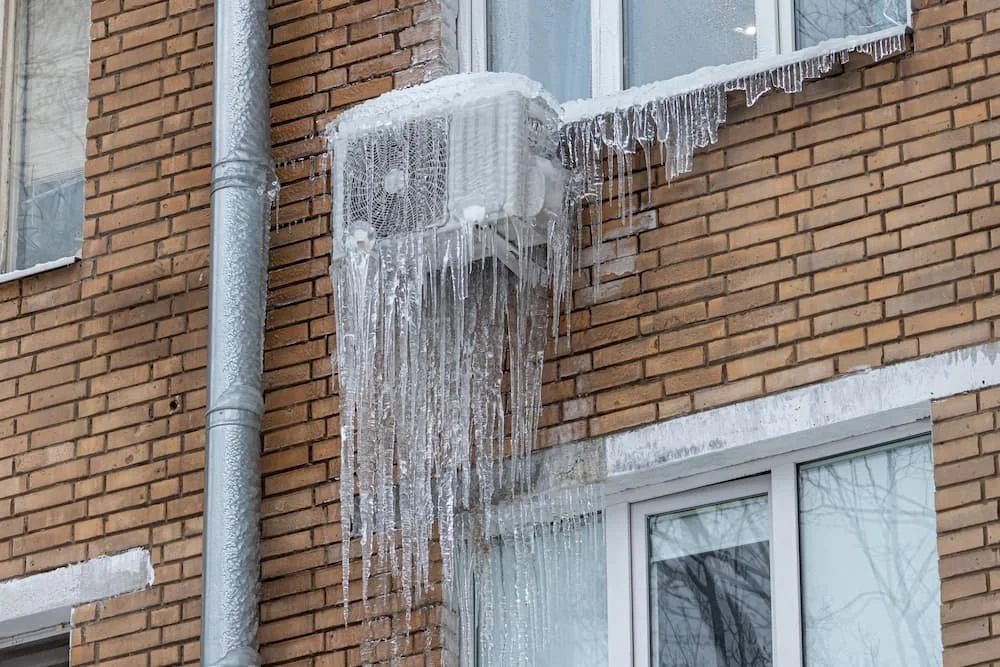
Keep snow and ice away from outdoor HVAC units to protect system efficiency
Watch for early signs of freeze damage to avoid costly winter breakdowns
Simple winter maintenance steps can extend the life of your heating system
Since Butte, Montana, is one of the coldest cities in the U.S., HVAC systems require extra attention. Extreme temperatures can affect exterior systems, including ductwork and compressors. With the right approach to outdoor HVAC protection, you can avoid unpleasant surprises and costly repairs.
Lockmer Sheet Metal is the local expert in preventing freeze damage to your heating system. Below, our experts share winter HVAC tips to help protect your home and extend the lifespan of your heat pump and compressor.
Identifying the Risks of Snow and Ice on Exterior Units
HVAC winter maintenance in Butte often differs from that in other cities because it must address multiple weather conditions.
Snow Buildup
Outdoor units need steady airflow to function. When snow piles up on the unit, it prevents air from flowing smoothly. This forces the system to work harder, increasing wear on internal components.
At first, this can lead to lower efficiency and higher energy use, but eventually the strain is likely to lead to breakdowns. Such breakdowns tend to occur during the coldest days of the year.
Ice Formation
When melting snow freezes, you are likely to see ice formation on blades and coils. Frozen fan blades trigger system shutdowns. Meanwhile, ice-covered coils reduce heat transfer. Repeated freeze-thaw cycles can also cause permanent damage to these sensitive parts.
Exterior Ductwork
Whenmetal contracts in the extreme cold, poorly insulated ducts can crack or lose their seal. These issues allow heated air to escape before it reaches your living space. Without proper protection of the exterior ductwork, the system is likely to fail quickly.
Proactive Measures to Shield Your HVAC System
Winter HVAC maintenance begins with simple yet consistent habits. These steps help protect your equipment before problems begin:
Clear the Area
After heavy snowfall, check that at least two feet of clearance surrounds the outdoor unit. This helps maintain proper ventilation and reduces the chance of snow being pulled into the system. Don't pile shoveled snow nearby, as it can drift and block airflow again.
Watch Rooflines
Icicles and melting snow from roofs can drip directly onto outdoor compressors. This water often refreezes on contact, forming thick ice layers. Keeping gutters clear and addressing drainage issues prevents repeated ice buildup.
Check the Defrost Cycle
Heat pumps rely on an automatic defrost cycle to melt ice during cold conditions. If this function isn't working correctly, ice will likely form. Regular system checks help ensure your heat pump is prepared for Montana's long freezes.
Recognizing Signs of Freeze-Related Damage
Sometimes, freeze damage prevention may not be enough. Serious winter conditions can start causing issues anyway. Knowing what to look for can help you avoid the consequences of frozen HVAC components.
Freeze-related damage often shows up as:
Grinding or scraping noises from the outdoor unit
Excessive vibration
Insufficient heat coming from indoor vents
It may be tempting to chip ice away from the unit on your own. However, sharp objects can puncture the delicate HVAC system components. This can turn a minor ice problem into a major repair.
If routine maintenance doesn't help, you need to call for professional assistance. HVAC experts will inspect the system, diagnose the problem, and use professional tools to restore your heating equipment.
Ensure Reliability with a Professional Inspection from Lockmer Sheet Metal
While regular cleaning and DIY maintenance can help avoid some winter issues, many of them require professional attention. Opting for an expert winterization check-up before the temperatures drop can help you avoid costly surprises.
Lochmer Sheet Metal is dedicated to keeping Butte homes warm throughout the season. Our team knows exactly how to winterize your heating system and repair it if needed. Contact our team by calling 406-782-2224 orfill out a simple form to schedule a comprehensive system evaluation.
Image credit: // Shutterstock // hodim